01
Hawksnest Beach
An easy North Shore choice with a short white-sand beach, shade and three small elkhorn-coral reef areas. NPS notes that parking is limited and often fills by mid-morning.

St. John’s beaches range from easy-access North Shore favorites to quieter bays reached by a short walk. Choose by conditions, snorkeling, shade and the kind of pace your group wants.
Much of St. John is protected within Virgin Islands National Park, so a beach day can mean shaded sand, a snorkel reef, turtle habitat, a long shoreline or a short hike down to the water.
Use this page to choose the kind of beach day you want, then check current weather, water and park conditions before heading out.
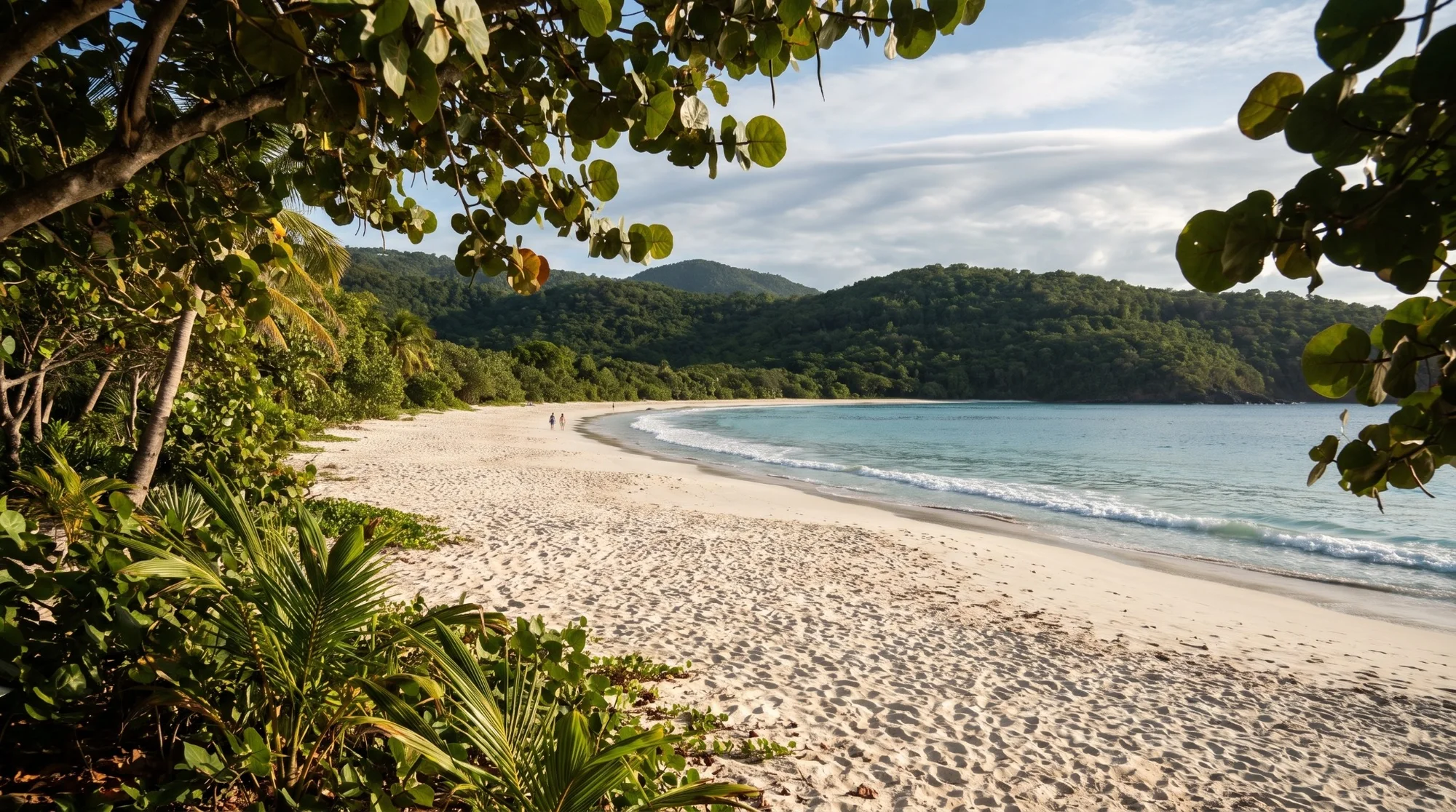
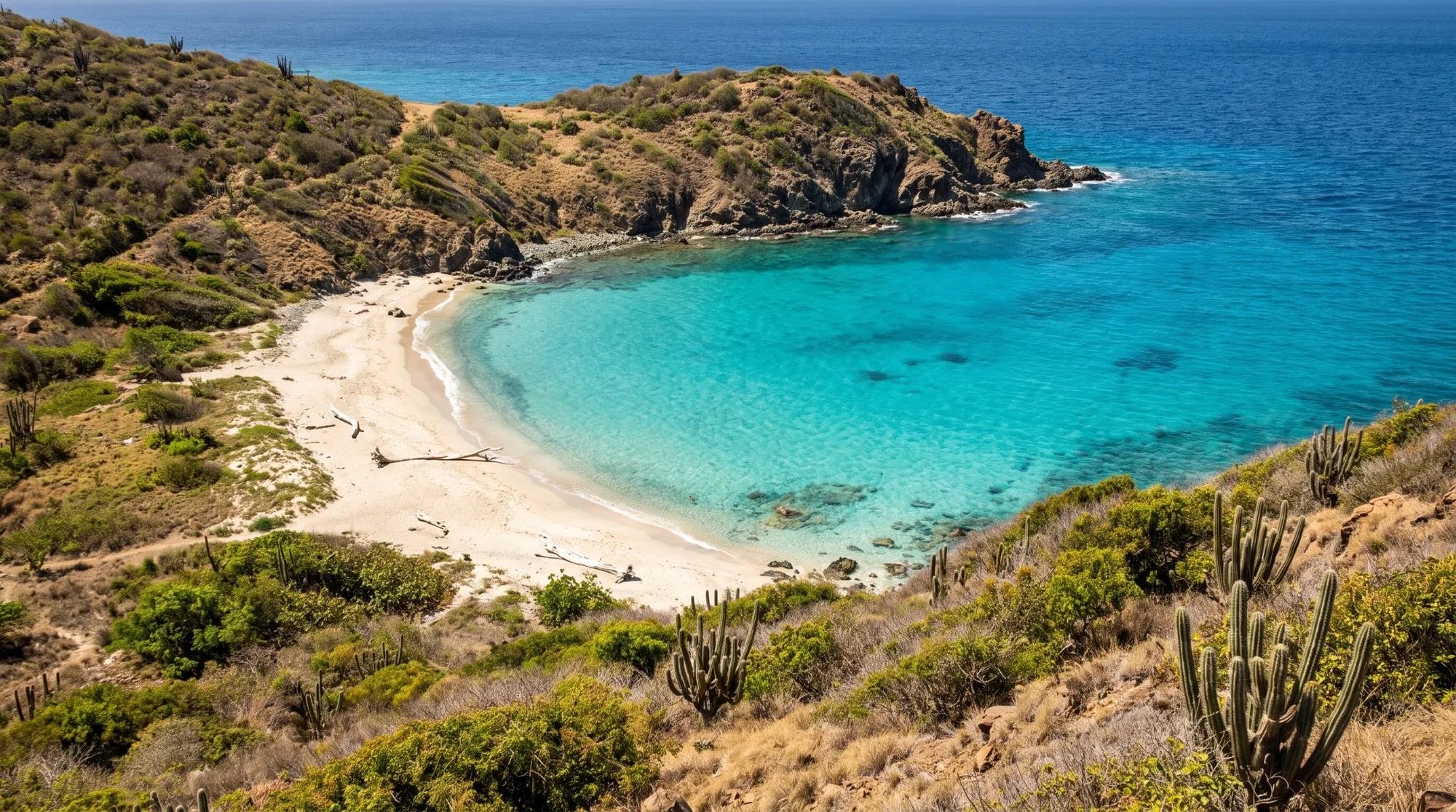
Conditions change, and “best” depends on your group. These five St. John beaches each offer a different reason to go.
An easy North Shore choice with a short white-sand beach, shade and three small elkhorn-coral reef areas. NPS notes that parking is limited and often fills by mid-morning.
A south-shore beach reached by a short walk from the parking area. Pair a swim or snorkel with nearby Drunk Bay or continue toward Ram Head for a more active outing.
A long, calm-feeling bay known for seagrass habitat and frequent sea-turtle sightings. It is a relaxed option for swimming, paddling and an unhurried beach day.
One of St. John’s most recognizable beaches, with white sand, visitor facilities and a 225-yard underwater snorkeling trail. Go early when possible.
The longest beach in Virgin Islands National Park, with plenty of shoreline and on-site amenities that make it useful for a longer beach day.
The U.S. Virgin Islands’ 2019 “Toxic 3 Os” ban prohibits sunscreen sales containing oxybenzone, octinoxate or octocrylene. Mineral options using zinc oxide or titanium dioxide are common reef-conscious choices.
Beachwear belongs at the beach or pool. When you head into town, a restaurant, shop or other public setting, please cover up and help keep the island’s relaxed culture respectful.